How to Repair Your Skin Barrier: Signs It's Damaged & How to Fix It

Your skin barrier is the unsung hero of your complexion. When it's healthy, your skin looks plump, calm, and radiant. When it's damaged, everything goes wrong — dryness, sensitivity, breakouts, and that tight, uncomfortable feeling that no amount of moisturiser seems to fix.
The good news? A damaged skin barrier can be repaired. Here's how to recognise the signs and build a routine that restores it.
What Is the Skin Barrier?
The skin barrier — also called the stratum corneum — is the outermost layer of your skin. Think of it as a brick wall: skin cells (the bricks) held together by lipids like ceramides, fatty acids, and cholesterol (the mortar). This structure keeps moisture in and environmental aggressors — pollution, bacteria, irritants — out.
When the "mortar" breaks down, the wall develops gaps. Moisture escapes, irritants get in, and your skin becomes reactive, dry, and prone to breakouts.
Signs Your Skin Barrier Is Damaged
- Tightness or dryness that persists even after moisturising
- Redness or blotchiness that wasn't there before
- Stinging or burning when applying products that used to feel fine
- Flakiness or rough texture despite regular hydration
- Sudden breakouts or increased sensitivity
- Dull, lacklustre skin that looks tired regardless of sleep
If several of these sound familiar, your barrier likely needs some attention.
Common Causes of a Damaged Skin Barrier
Barrier damage rarely happens overnight. Common culprits include:
- Over-exfoliating — using acids or scrubs too frequently strips the lipid layer
- Harsh cleansers — sulphate-heavy formulas disrupt the skin's natural pH
- Overusing actives — layering too many strong ingredients (retinol, AHAs, BHAs) without recovery time
- Environmental stress — pollution, UV exposure, extreme temperatures
- Skipping moisturiser — especially in dry or air-conditioned environments
- Stress and poor sleep — both impair the skin's natural repair cycle
How to Repair Your Skin Barrier
Step 1: Simplify Your Routine
The first step is to strip back. Pause all exfoliating acids, retinoids, and strong actives. Your skin needs a break to rebuild. A simplified routine — cleanse, moisturise, SPF — is often the fastest path to recovery.
Step 2: Switch to a Gentle Cleanser
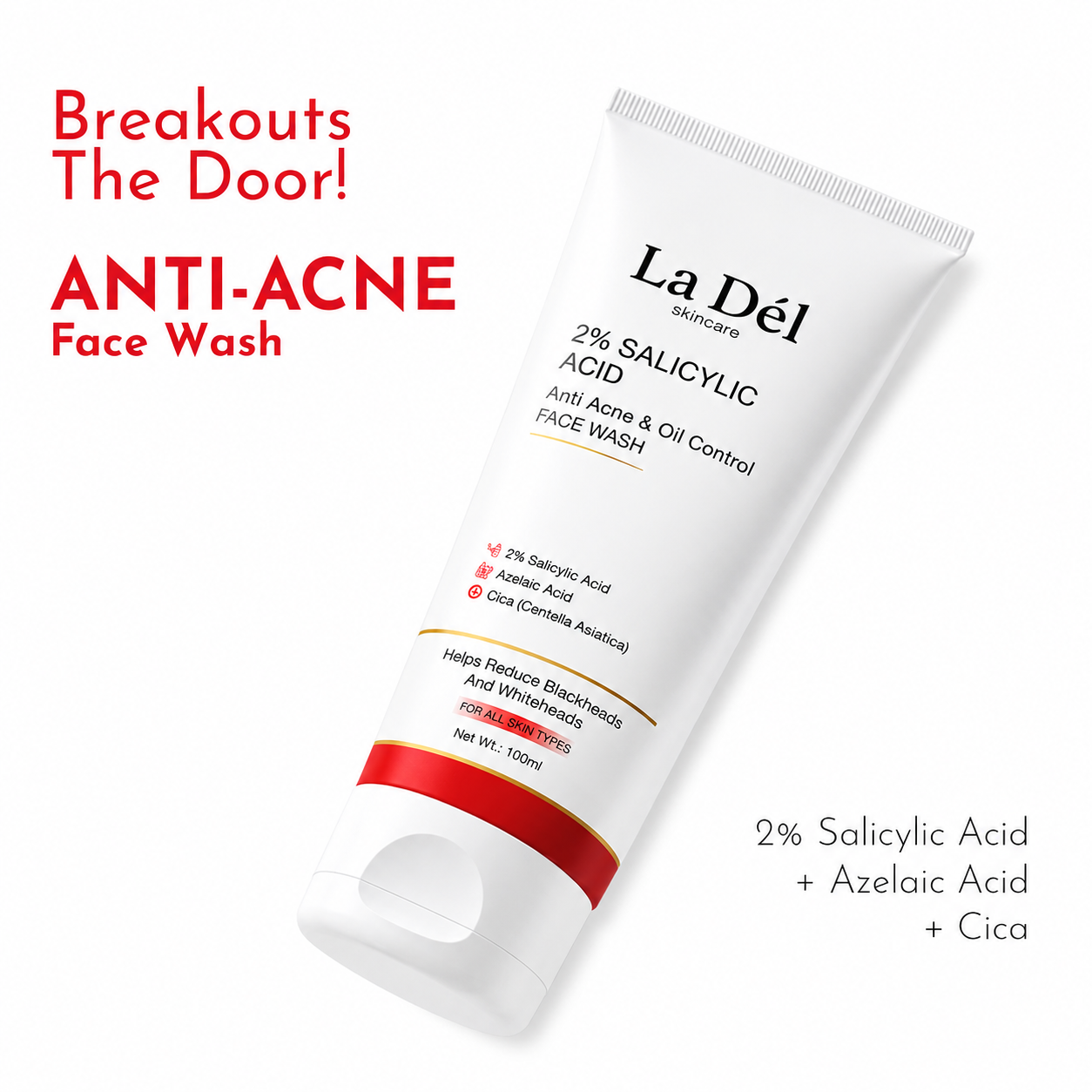
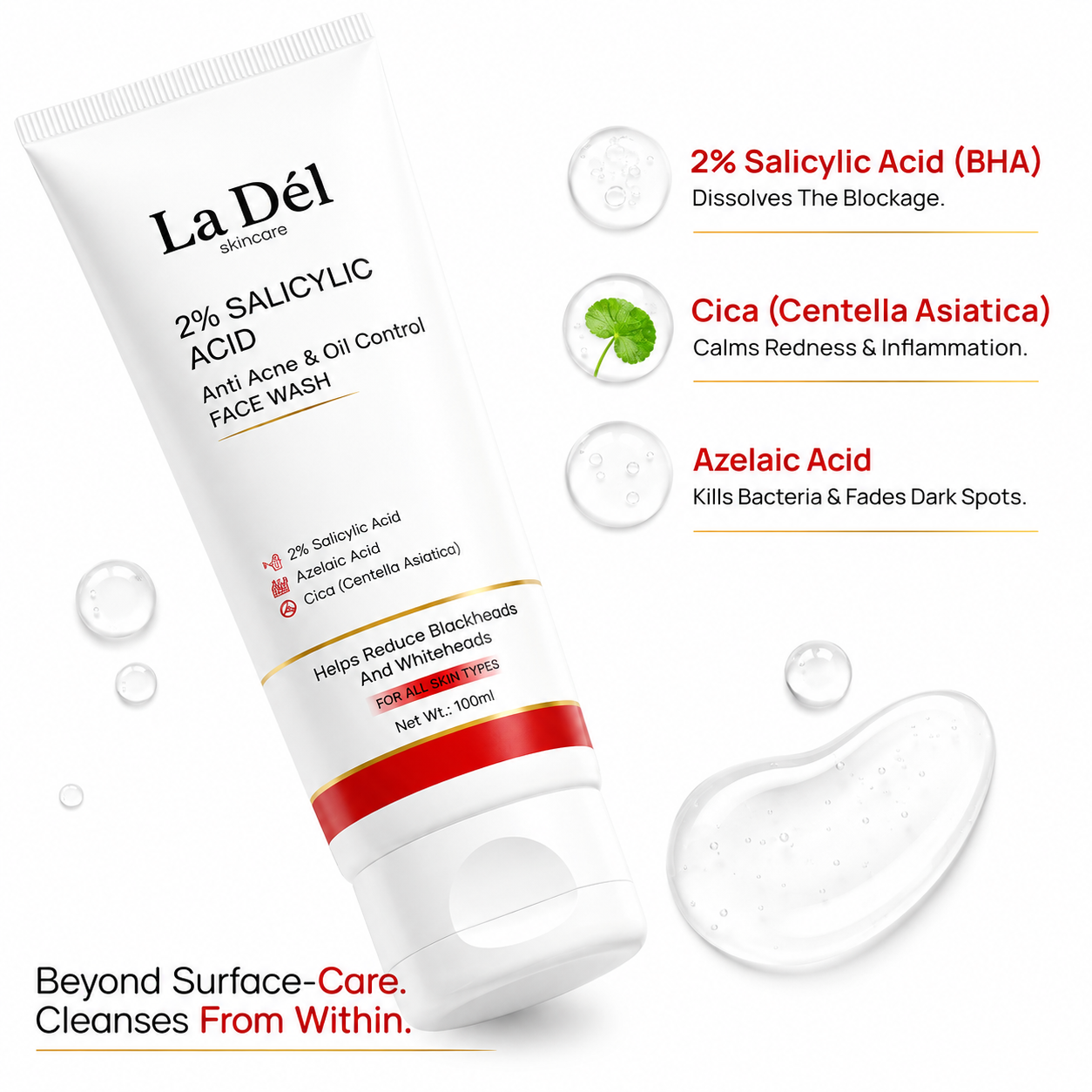
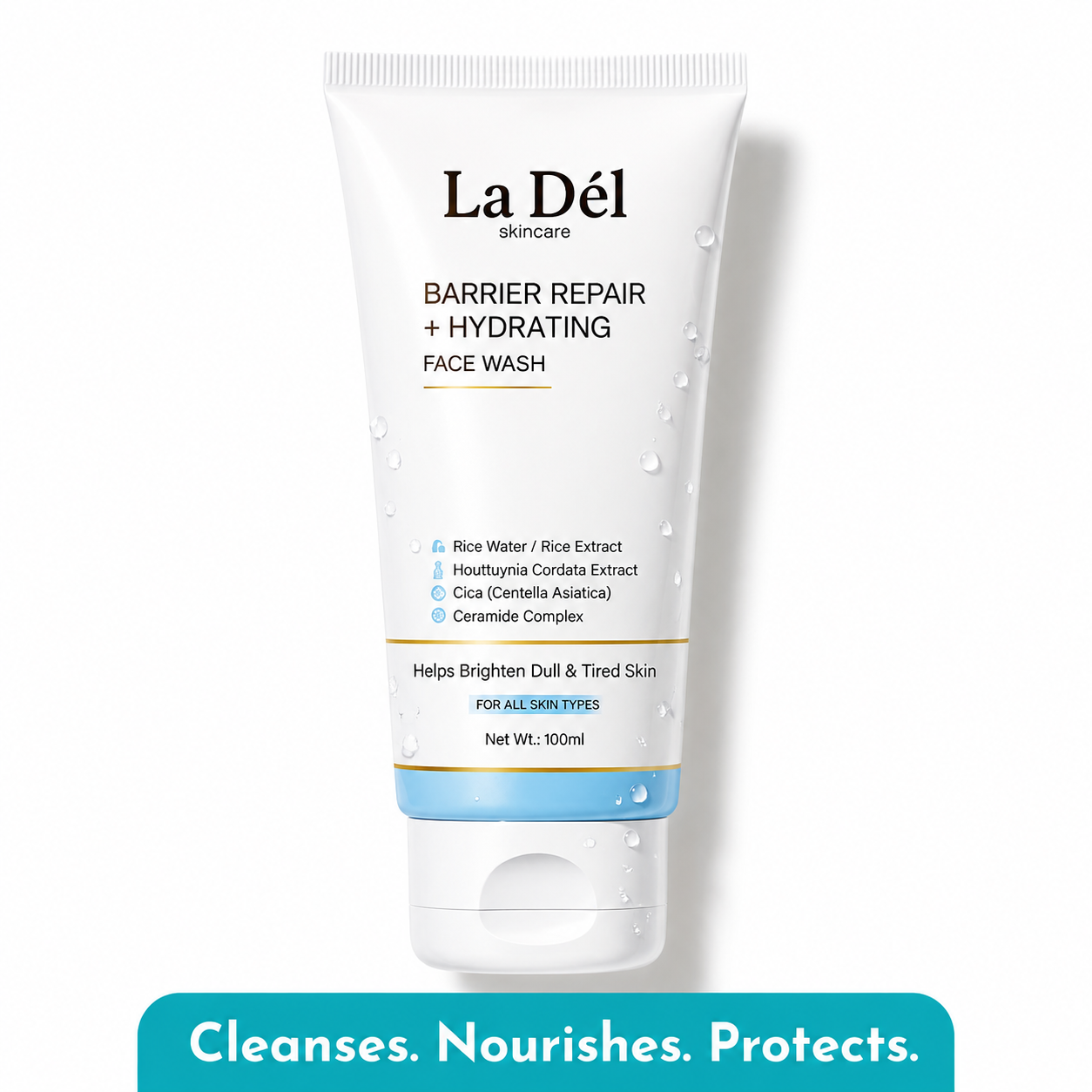
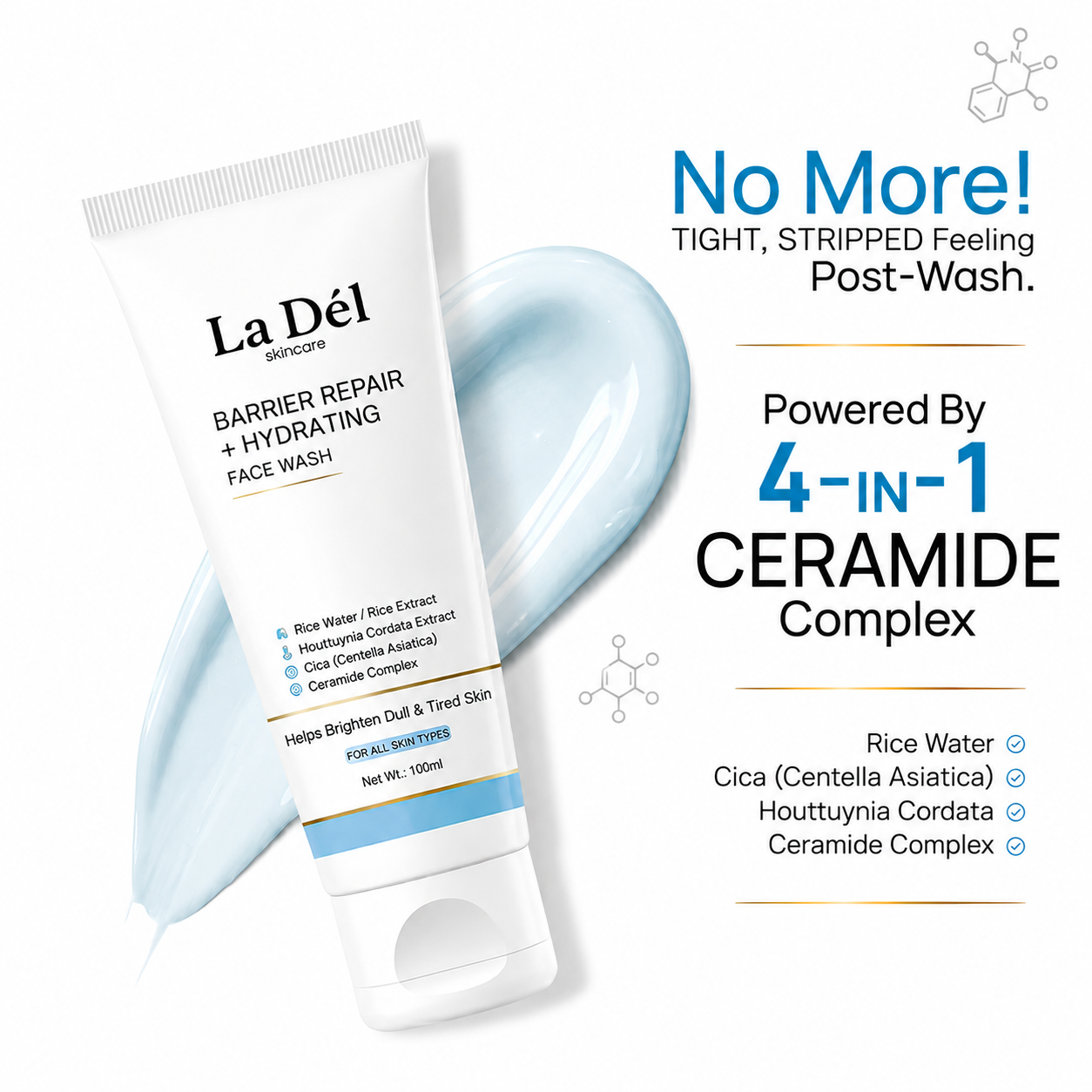
Your cleanser sets the tone for everything that follows. A harsh, stripping formula will undo any repair work before it begins. Our La Dél Face Wash is formulated to cleanse effectively while respecting your skin's natural pH and moisture balance — exactly what a compromised barrier needs.
Step 3: Introduce Barrier-Repairing Ingredients
Look for ingredients that replenish what a damaged barrier has lost:
- Ceramides: The primary lipid that holds the barrier together. Topical ceramides directly replenish what's been lost.
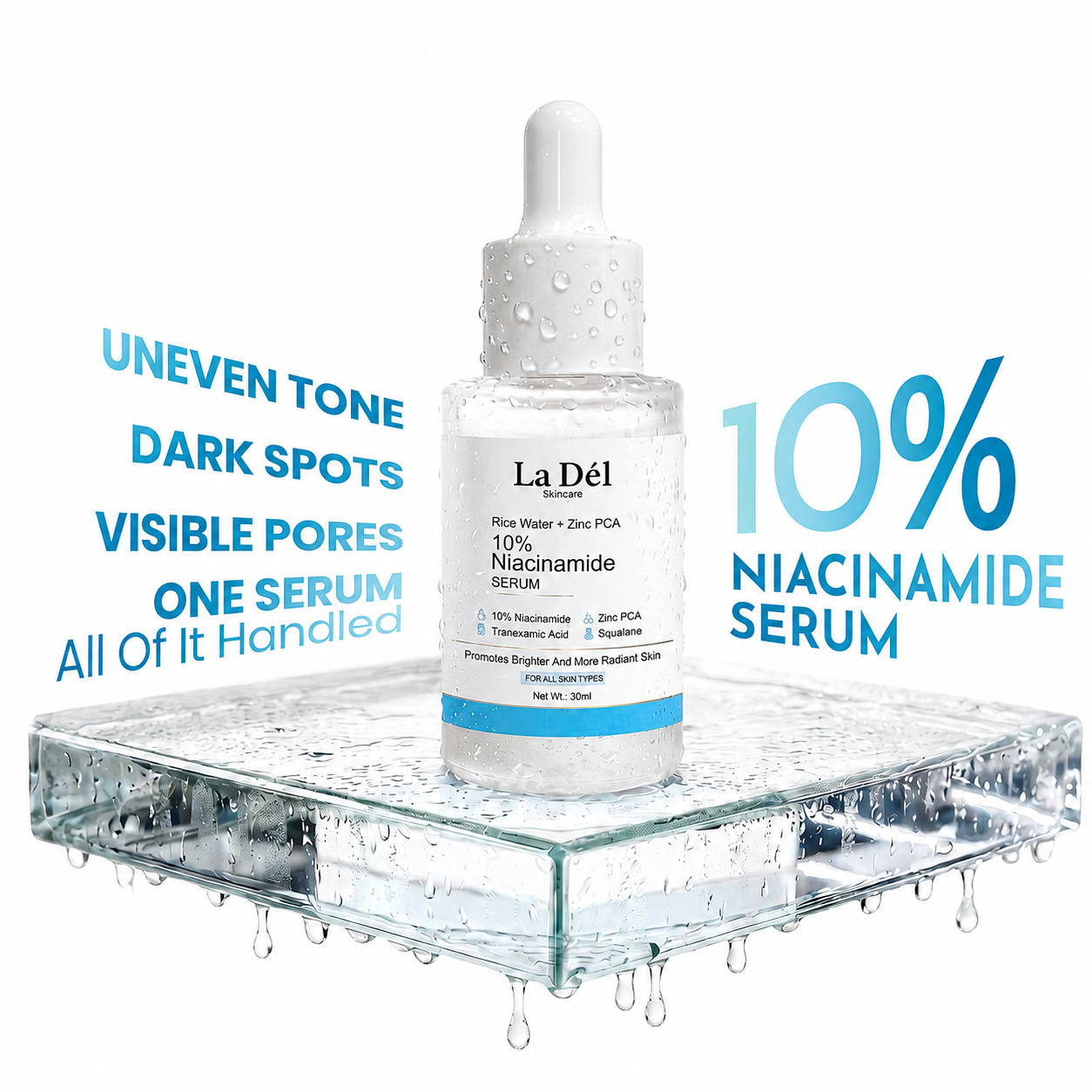
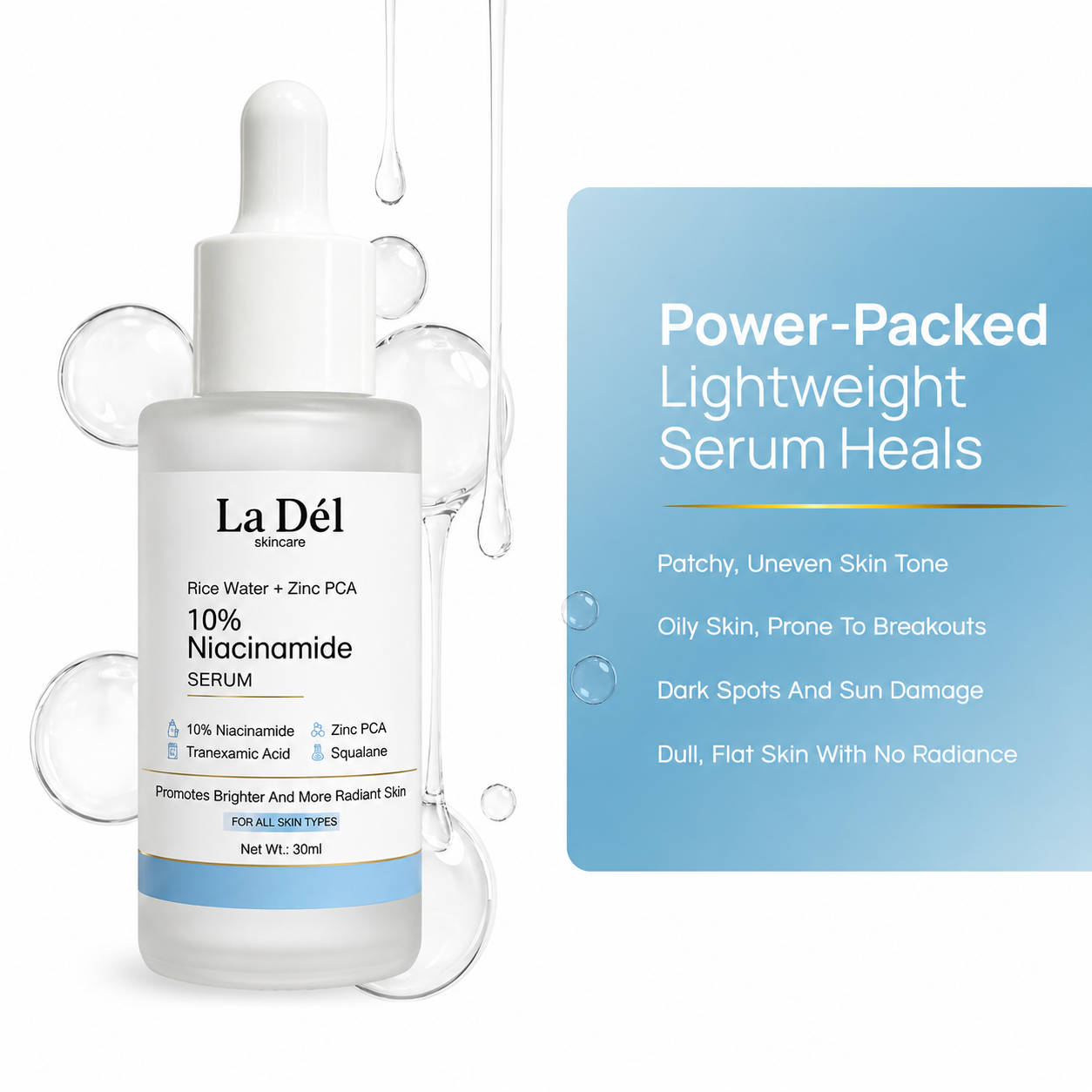
- Niacinamide (Vitamin B3): Stimulates ceramide synthesis and reduces inflammation. Our La Dél Niacinamide Serum is ideal for this — it supports barrier function while calming redness and sensitivity.
- Hyaluronic Acid: Draws moisture into the skin and helps it stay hydrated throughout the day.
- Panthenol (Vitamin B5): Soothes and accelerates skin repair.
- Squalane: A lightweight oil that mimics the skin's natural sebum and reinforces the lipid layer.
Step 4: Moisturise Consistently
Apply moisturiser while your skin is still slightly damp to lock in hydration. Choose a formula that's rich in occlusives and emollients — these create a protective seal over the skin while repair happens underneath.
Step 5: Always Use SPF
UV exposure is one of the fastest ways to re-damage a recovering barrier. A broad-spectrum SPF 30 or higher every morning is non-negotiable during the repair phase.
A Simple Barrier-Repair Routine
Morning:
- Gentle cleanse — La Dél Face Wash
- Niacinamide serum — La Dél Niacinamide Serum
- Lightweight moisturiser
- SPF 30+
Evening:
- Gentle cleanse — La Dél Face Wash
- Niacinamide serum — La Dél Niacinamide Serum
- Rich moisturiser or barrier cream
Stick to this for 2–4 weeks before reintroducing any actives.
How Long Does Barrier Repair Take?
With the right routine, most people notice improvement within 1–2 weeks. Full repair — where the barrier is functioning optimally again — typically takes 4–6 weeks. The key is patience and consistency: don't rush back to actives the moment your skin feels better.
Preventing Future Barrier Damage
Once your barrier is restored, keep it that way:
- Exfoliate no more than 2–3 times per week
- Introduce new actives one at a time, with at least 2 weeks between additions
- Always follow acids or retinoids with a barrier-supporting moisturiser
- Stay hydrated and prioritise sleep — your skin repairs itself overnight
- Cleanse with lukewarm water, never hot
The Bottom Line
A healthy skin barrier is the foundation of every good skincare result. Whether you're targeting acne, pigmentation, or ageing — none of it works well if your barrier is compromised. Repair it first, then build from there.
Start with our La Dél Face Wash and La Dél Niacinamide Serum — a simple, effective duo designed to cleanse gently and rebuild your skin's resilience from the inside out.
Your skin knows how to heal. Give it the right environment and it will.