How to Build a Barrier-Repair Skincare Routine: A Step-by-Step Guide

What Is the Skin Barrier — and Why Does It Matter?
Your skin barrier, or stratum corneum, is the outermost layer of your skin. Think of it as a protective shield: it keeps moisture locked in and environmental aggressors — pollution, bacteria, UV rays — locked out. When this barrier is compromised, your skin becomes reactive, dry, and prone to breakouts.
Signs of a damaged skin barrier include:
- Tightness or dryness even after moisturising
- Redness, sensitivity, or stinging when applying products
- Frequent breakouts or flare-ups
- Dull, rough, or uneven skin texture
What Damages the Skin Barrier?
Common culprits include:
- Over-cleansing or using harsh, stripping cleansers
- Overuse of exfoliating actives (AHAs, BHAs, retinol)
- Environmental stressors like pollution and UV exposure
- Stress, poor sleep, and an unbalanced diet
- Hot water and long showers
How to Repair Your Skin Barrier: A Simple Routine
Step 1: Switch to a Gentle Cleanser
The first and most important step in barrier repair is ditching any cleanser that leaves your skin feeling tight or squeaky clean. That feeling is a sign your cleanser is stripping your skin's natural oils.
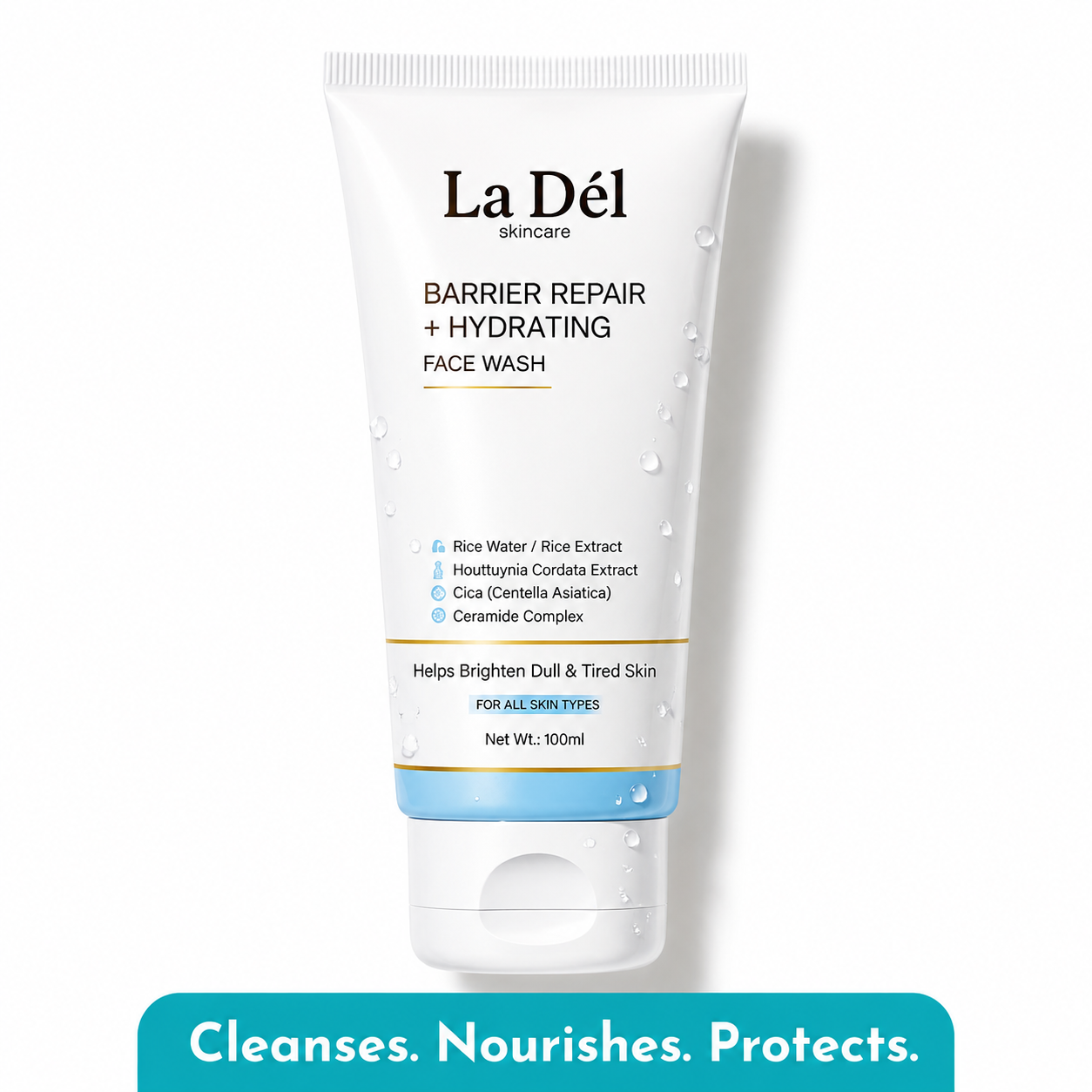
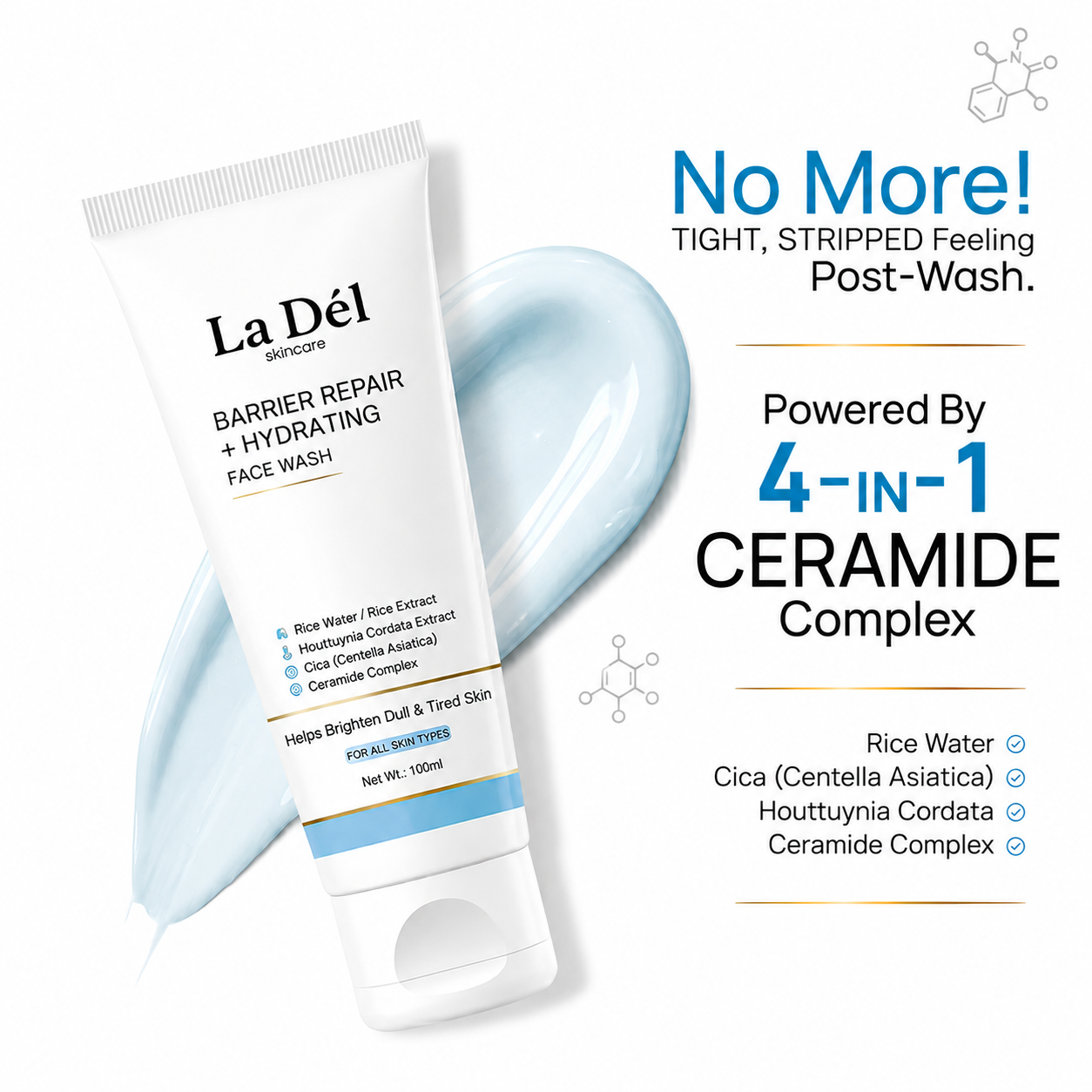
Look for a low-pH, non-foaming or mild-foam cleanser that respects your skin's natural moisture balance. Our Face Wash is formulated to cleanse effectively without disrupting the skin barrier — making it the ideal first step in any repair routine.
Step 2: Apply a Barrier-Supportive Serum
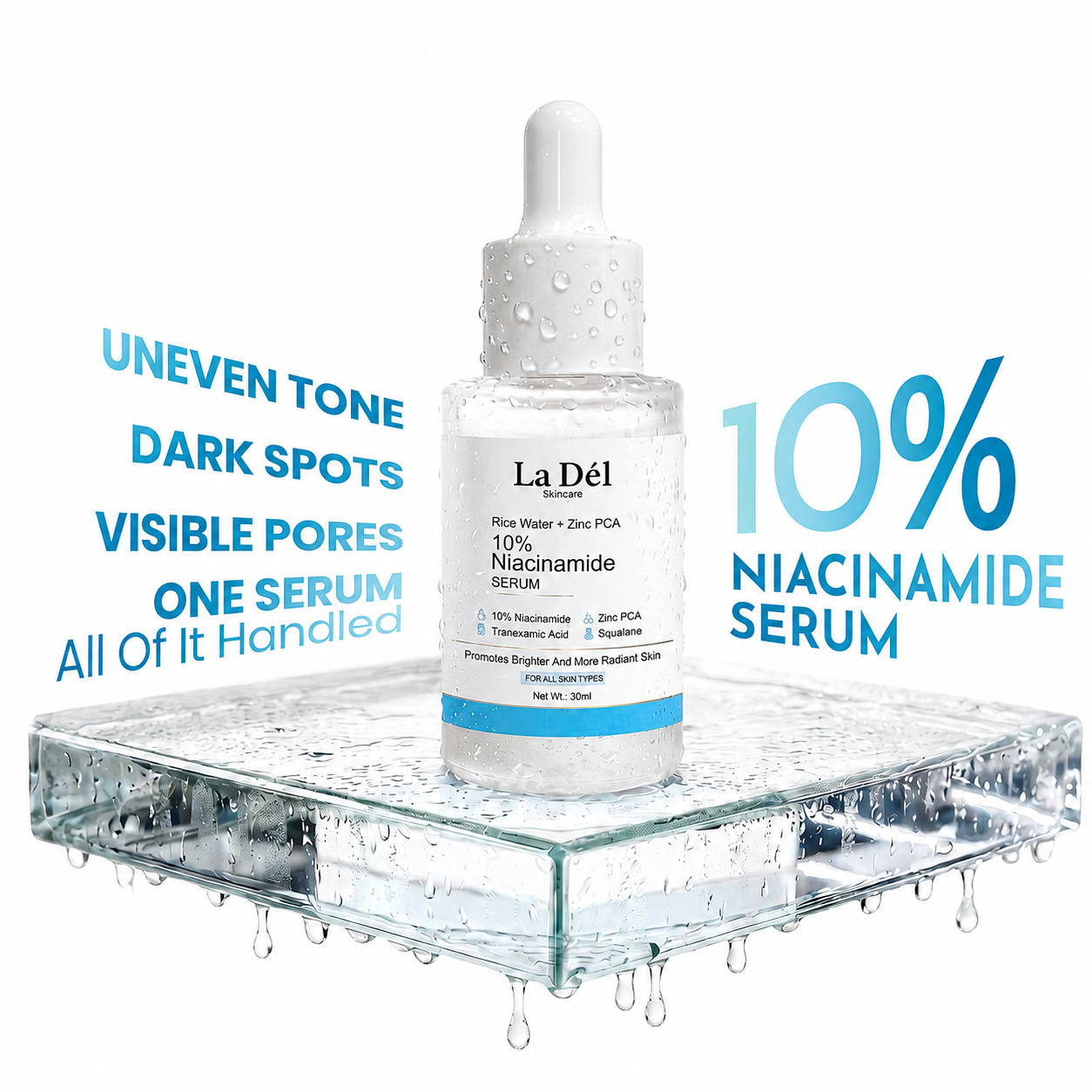
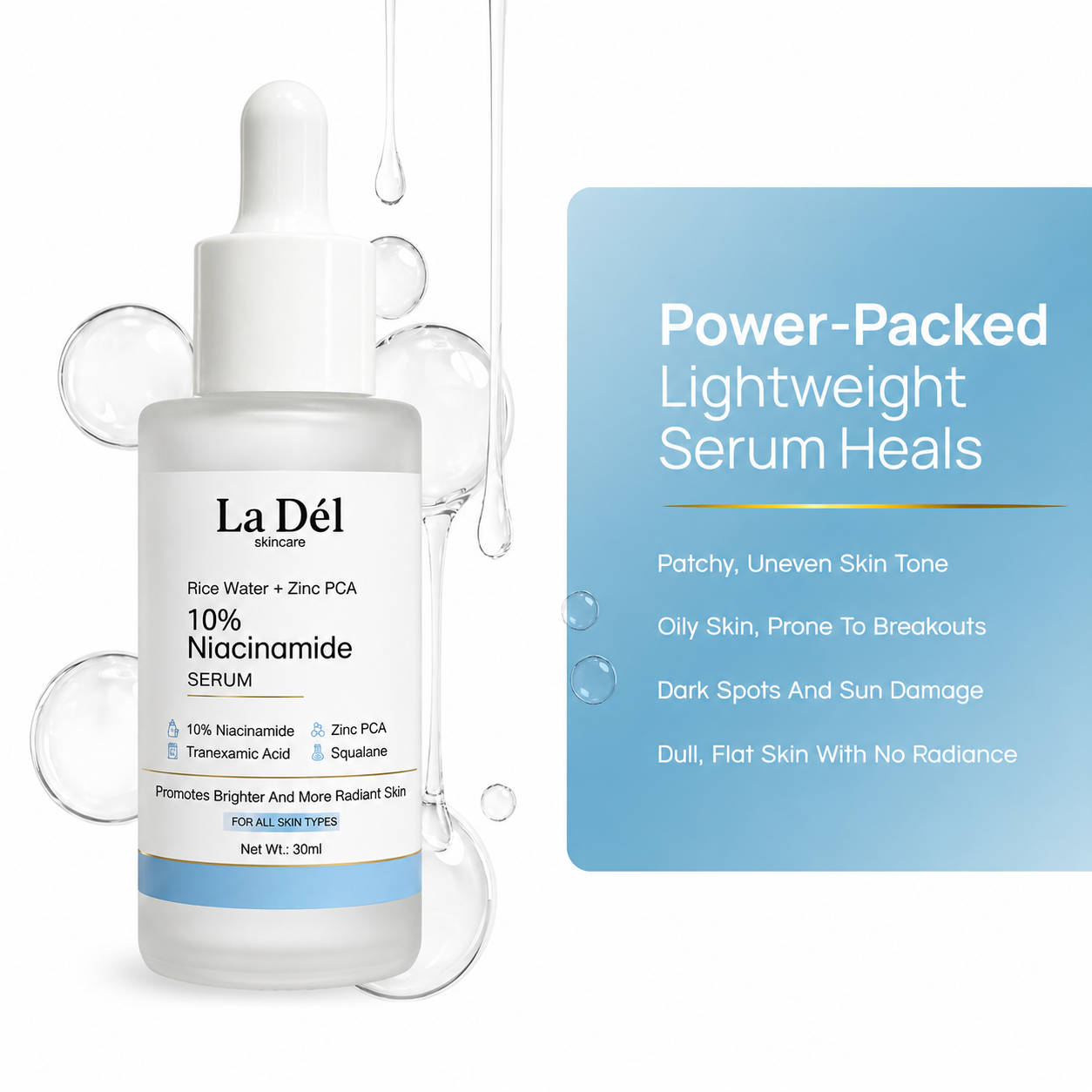
After cleansing, reach for a serum that actively supports barrier function. Niacinamide (Vitamin B3) is one of the best ingredients for this — it boosts ceramide production, reduces inflammation, and strengthens the skin's protective layer over time.
Our Niacinamide Serum is lightweight and fast-absorbing, making it perfect for layering under your moisturiser. Apply 2–3 drops to clean skin and gently press in.
Step 3: Moisturise Generously
A good moisturiser forms an occlusive layer that seals in the active ingredients and prevents transepidermal water loss (TEWL). Look for formulas containing ceramides, hyaluronic acid, or glycerin. Apply while your skin is still slightly damp for maximum absorption.
Step 4: Always Use SPF (Morning Routine)
UV damage is one of the leading causes of barrier breakdown. A broad-spectrum SPF 30 or higher is non-negotiable in your morning routine — even on cloudy days or when you're indoors near windows.
Ingredients to Look For (and Avoid)
Barrier-loving ingredients:
- Niacinamide (Vitamin B3)
- Ceramides
- Hyaluronic acid
- Glycerin
- Panthenol (Vitamin B5)
- Squalane
Ingredients to avoid during repair:
- High-concentration AHAs/BHAs
- Alcohol-heavy toners
- Fragrance and essential oils
- Physical scrubs
How Long Does Barrier Repair Take?
With a consistent, simplified routine, most people notice improvement within 2–4 weeks. Severely compromised barriers may take 6–8 weeks of dedicated care. The key is simplicity — fewer products, gentler formulas, and patience.
Your Barrier-Repair Starter Kit
If you're not sure where to begin, start with just two products:
- La Dél Face Wash — a gentle, barrier-safe cleanser for twice-daily use
- La Dél Niacinamide Serum — a targeted serum to strengthen and repair your barrier
These two products work synergistically: the face wash preps your skin without stripping it, and the serum delivers the actives your barrier needs to rebuild itself.
Final Thoughts
Barrier repair isn't about adding more products — it's about using the right ones. Simplify your routine, be consistent, and give your skin the time it needs to heal. Your skin is remarkably resilient when you stop fighting it and start supporting it.